Spanish Adjectives Worksheets Results
POSSESSIVES IN SPANISH (PART I) POSESIVOS ÁTONOS - Why Not Spanish
POSSESSIVES IN SPANISH (PART I) POSESIVOS ÁTONOS: You can also find them under the name: possessive adjectives, adjetivos posesivos, posesivos prenominales, or posesivos antepuestos (since they go before the noun). It’s very easy to identify them because of two things: They don’t have accents (therefore their name “átonos”).
https://url.theworksheets.com/dh8c56 Downloads
Preview and Download !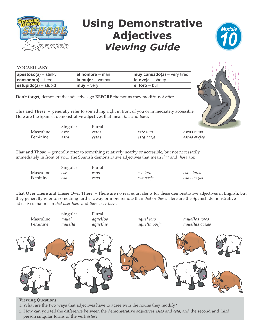
Demonstrativos / Demonstratives this, that, these, those
Spanish has three singular demonstratives and they also indicate distance from the speaker. ‘este’ (this), ‘ese’ (that) and ‘aquel’ (that (one) further away) ... So know you know a lot about Spanish demonstrative adjectives and pronouns and the adverbs of place that often go with them. Let’s make a few sentences using all of these
https://url.theworksheets.com/dh8d109 Downloads
Preview and Download !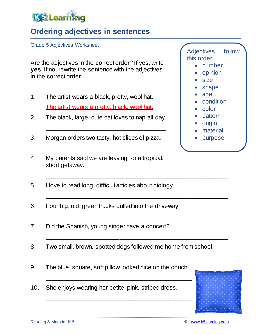

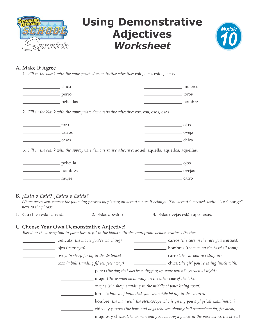
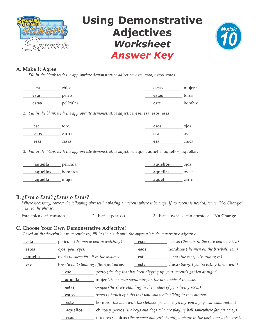
Using Demonstrative Adjectives - Weebly
Using Demonstrative Adjectives Viewing Guide VOCABULARY apestoso(a) – stinky el hombre– man muy cansado(a) – very tired cansado(a) – tired la mujer – woman la oveja – sheep estúpido(a) – stupid muy – very el toro – bull Don’t forget, demonstrative adjectives go BEFORE the nouns they modify, not after. This and These – generally refer to something right in front of you or ...
https://url.theworksheets.com/1g9q156 Downloads
Preview and Download !
Demonstrative Adjectives in Spanish
Spanish demonstrative adjectives are words like “este”(this), “ese”(that) and “aquellos”(those) that are always placed before the noun they modify and must agree with them, for example: 1. “Esta casa es grande” (this house is big) 2. “Aquellas frutas se ven ricas” (Those fruits look delicious) Demonstrative Adjectives in Spanish
https://url.theworksheets.com/d02l34 Downloads
Preview and Download !
Realidades 1 Guided Practice - Weebly
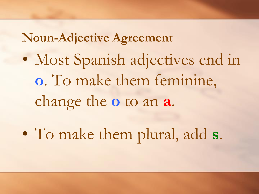
• Words that describe people and things are called adjectives. • Most Spanish adjectives have two forms: masculine (ends in -o like simpático) and feminine (ends in-a like estudiosa). • Masculine adjectives are used with masculine nouns: Tomás es simpático. • Feminine adjectives are used with feminine nouns: Luisa es estudiosa.
https://url.theworksheets.com/16pg30 Downloads
Preview and Download !
Adjetivos* Descriptive*adjectives*in*Spanish* - Mill Valley School District
Descriptive*adjectives*in*Spanish* * atrevido/a bold aventurero/a adventurous bajo/a short bello/a beautiful bilingüe bilingual bobo/a foolish bonito/a pretty capa capable cariñoso/a loving cauteloso/a cautiously celoso /a jealous cobarde cowardly cómico/a funny competitivo/a competitive confiable trustworthy
https://url.theworksheets.com/dh8o37 Downloads
Preview and Download !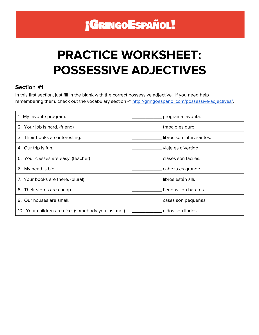

Adjectives in Spanish
Adjectives in Spanish Adjectives describe nouns (people, places, things, or ideas). Adjectives usually come after the noun they describe. Sometimes they come before the noun (see Position of Adjectives), but they must agree in gender and quantity. Adjective Endings • Most adjectives have four forms: Masculine Singular, Masculine Plural,
https://url.theworksheets.com/1g2t436 Downloads
Preview and Download !
Destinos: 1-26 The Main Grammar Points, and Exercises with Answer Key
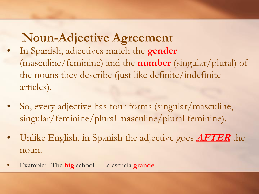
• Remember that all adjectives in Spanish agree in number and gender with their nouns • Adjectives that end in -o have four forms (el libro rojo, la mesa roja, los libros rojos, las mesas rojas). • Adjectives ending in -e have only singular and plural forms, not masculine and
https://url.theworksheets.com/dfg050 Downloads
Preview and Download !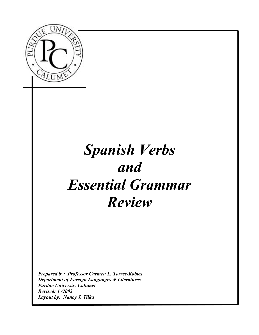
Rising 6th grade summer packet 2017 - RPDS
Part 10: Adjectives Adjectives are words that describe nouns. Ricardo es simpático. Ricardo is nice. In Spanish, most adjectives that end in -o are masculine and most adjectives that end in -a are feminine. El chico es simpático. La chica es simpática. Adjectives that end in -e can describe either males or females. El chico es amable. La ...
https://url.theworksheets.com/2r44142 Downloads
Preview and Download !
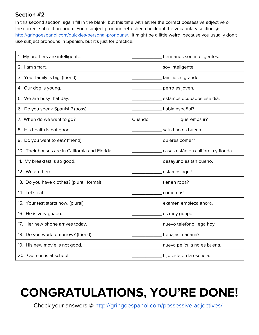
Spanish Possessive Adjectives Exercise (PDF) - SpanishBoat.com
Spanish Possessive Adjectives Exercise (PDF) Answer Key: 1. Esos son mis lápices. 2. Pablo habla con su maestra. 3. ¿Quién es vuestro admirador secreto? 4. El auto blanco es el mío. 5. Tania lleva a sus hijas al trabajo. 6. La pizza es suya. 7. Las cartas que están sobre la mesa son tuyas. 8. Nuestra casa es muy linda. 9. ¿Son esos tus ...
https://url.theworksheets.com/7ksr37 Downloads
Preview and Download !


<< Previous results